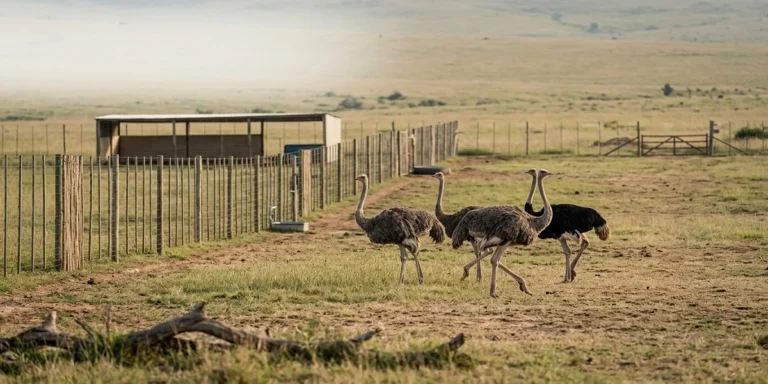
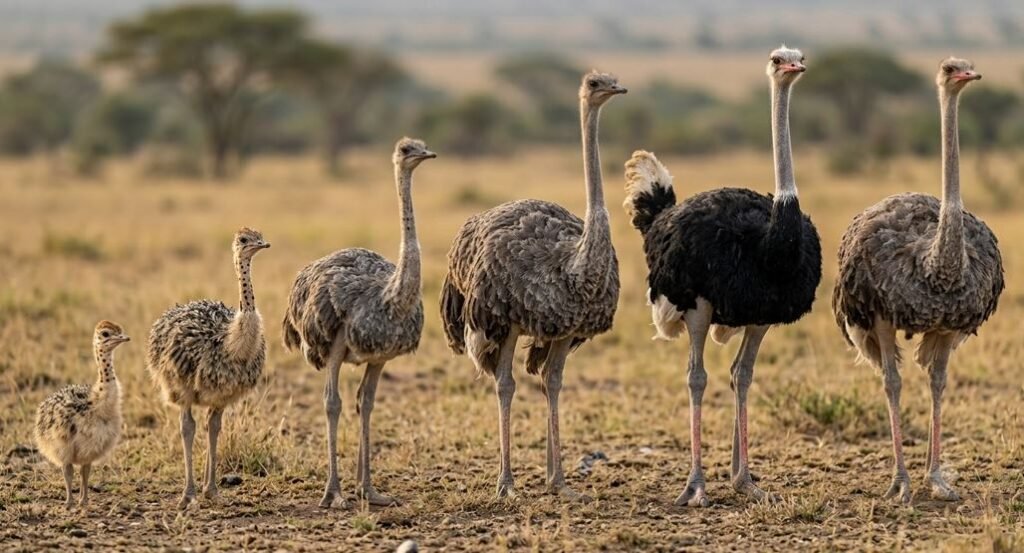
Quick Answer: Depending on age, purpose, and genetics, an ostrich can price anywhere from around $300 for a young chick to more than $8,000 for a proven breeding adult. Most hobby farmers spend between $1,500 and $3,500 for a healthy juvenile or young adult bird. The number you’ll see repeated across most websites online traces back to the same handful of unverified estimates. This guide uses real farm pricing wherever possible instead of relying solely on widely repeated internet estimates.
Table of Contents
How much does an ostrich cost really depends on who you ask, since ostrich pricing online has a strange problem: nearly every site quotes the same figures, and almost none of them link back to an actual seller. Whether you’re planning to start an ostrich farm, expand an existing flock, or you’re simply curious about the market, understanding how prices are determined can help you avoid unrealistic expectations. Here’s what real pricing looks like, broken down by age, purpose, and what a real operating farm actually charges.
How Much Does an Ostrich Cost by Age
| Ostrich Type | Typical Price |
|---|---|
| Fertile egg | $50-100 |
| Chick (1-4 weeks) | $250-600 |
| Juvenile | $800-2,000 |
| Yearling | $1,500-3,000 |
| Breeding adult | $4,000-10,000+ |
Prices vary significantly depending on the farm, country, bloodline, and intended use.. A bird raised purely for meat production sits at the lower end of these ranges, while a proven breeder with strong genetics can push well past $10,000.
Factors That Affect Ostrich Prices
A handful of variables explain most of the price difference between two birds of the same age:
| Factor | How It Affects Price |
|---|---|
| Age | Older, established birds generally cost more than chicks because they are closer to breeding or production age. |
| Sex | Breeding females often sell for more than males due to their egg-laying potential. |
| Breeding History | Birds with a proven record of fertility or egg production usually command higher prices. |
| Genetics | Strong bloodlines associated with meat quality, growth rate, or egg production increase value. |
| Health Records | Birds with documented veterinary care and disease-free status are typically more expensive. |
| Farm Reputation | Reputable breeders may charge higher prices because buyers have greater confidence in the quality of their birds. |
| Location | Prices vary by region depending on local supply, demand, and market conditions. |
| Transportation | Shipping large birds can be costly and is often added to the purchase price. |
No two ostriches are priced exactly alike. Even birds of the same age can vary significantly in price depending on their breeding history, genetics, health status, and the reputation of the farm selling them.
Real Price Example: What One Farm Actually Charges
Rather than relying only on widely repeated internet estimates, here’s an example from an operating ostrich farm, California Ostrich Valley, based on their published pricing:
| Bird | Price |
|---|---|
| Chick, 2 weeks old | $300 |
| Chick, 2 months old | $500 |
| Adult male, 1 year | $2,000 |
| Adult female, 1 year | $2,300 |
| Adult female, 3 years | $4,500 |
| Breeding pair, 3 years | $8,000 |
Price source: California Ostrich Valley published breeder price list (accessed July 2026).
At first glance, these prices look surprisingly similar to the figures repeated across dozens of websites. The difference is that they’re published by a real operating farm rather than copied from another article without attribution. This doesn’t mean every farm charges the same prices, but it illustrates how actual market prices compare to figures that have circulated online for years, often not far off, but grounded in something real rather than copied from site to site.
Should You Buy an Ostrich Egg, Chick, or Adult?
Not every buyer is looking for the same thing. The best type of ostrich to buy depends on your budget, experience, and long-term goals.
| Ostrich Type | Best For | Pros | Cons |
|---|---|---|---|
| Fertile Egg | Experienced breeders | Lowest purchase price | Highest risk and requires incubation |
| Chick | Budget-conscious buyers | Affordable and easier to find | Requires significant care and has higher early-life risk |
| Juvenile | First-time owners | Good balance of cost and survivability | More expensive than chicks |
| Breeding Adult | Commercial farms | Immediate egg production or breeding potential | Highest upfront cost |
For most first-time buyers, a healthy juvenile is often the best compromise. It costs more than a chick but avoids many of the challenges associated with raising newly hatched birds. Experienced breeders, on the other hand, may prefer fertile eggs or proven breeding adults depending on whether their priority is minimizing upfront costs or generating production as quickly as possible.
Can You Buy an Ostrich as a Pet?
Yes, you can own an ostrich as a pet in many places, but it isn’t practical for most people., but it’s worth understanding what that actually involves before committing.
Legality varies by location: Some states and countries require permits for exotic or large livestock, and zoning laws may restrict where an ostrich can legally be kept. Checking local regulations before buying is essential.
Space and fencing matter enormously: Ostriches need significant room to move, and standard livestock fencing often isn’t tall or sturdy enough to contain them safely. Expect to invest in reinforced fencing built specifically for large flightless birds.
Adult males can become aggressive: Particularly during breeding season. Their kick is powerful enough to cause serious injury, which makes temperament a real consideration, not just a footnote, for anyone thinking about keeping one as a companion animal rather than livestock.
Lifespan is a long commitment: Ostriches can live 30 to 40 years in captivity, which means owning one is closer to adopting a long-term farm animal than a typical pet.
None of this makes ostrich ownership impossible, plenty of small farms and hobbyists keep them successfully. It just means the “pet” framing undersells how much planning goes into doing it responsibly.

Monthly Cost of Owning an Ostrich
Beyond the purchase price, ongoing expenses add up quickly:
| Typical Monthly Expenses | Monthly Cost |
|---|---|
| Feed | $50-100 |
| Bedding | $20-40 |
| Fencing maintenance | $10-30 |
| Veterinary care | $20-50 |
| Utilities (heating, water) | $15-40 |
These are rough estimates for a single healthy adult ostrich and assume fencing and housing are already in place. Costs are significantly lower once fencing and housing have already been established. The bulk of the expense upfront is infrastructure, not the bird itself, which is why the true cost of ostrich ownership is better measured over the first year rather than just the purchase price.
Where to Buy an Ostrich
Whenever possible, visit the farm in person before buying. Seeing the birds, facilities, and overall management firsthand can reveal issues that photos or online listings won’t.
Best places to buy:
- Licensed breeders with documented health records
- Established ostrich farms
- Agricultural auctions specializing in exotic or specialty livestock
- Verified livestock marketplaces
Where to be cautious:
- Craigslist listings without paperwork or health documentation
- Social media marketplace listings from unverified sellers
- Any seller unwilling to provide health records or farm references
A bird this size and cost is worth the extra step of verifying the seller before money changes hands.
Frequently Asked Questions
How much does a baby ostrich cost?
A young chick typically costs between $250 and $600, depending on age within that range and the farm selling it.
How much does an ostrich egg cost?
Fertile ostrich eggs typically cost between $50 and $100, depending on the breeder, genetics, and intended use. Eggs sold for hatching usually cost more than those intended for eating or decorative purposes.
Can I own an ostrich in the United States?
Yes, in most U.S. states you can legally own an ostrich, although regulations vary. Some areas require permits or have zoning restrictions, so it’s important to check state and local laws before purchasing one.
Are ostriches expensive to maintain?
Compared to many other livestock, ostriches aren’t especially expensive to maintain once their enclosure is built. Most owners spend around $100 to $250 per month per bird, although feed prices, veterinary care, and local conditions can affect the total.
Is buying two ostriches better than one?
Yes, generally. Ostriches are social birds, and keeping at least two reduces stress-related behavior compared to housing one alone.
How much land does one ostrich need?
Ostriches need plenty of room to exercise and stay healthy. While the exact amount depends on your setup and local regulations, larger enclosures generally lead to better welfare.
Is ostrich farming profitable?
It can be profitable, but success depends on production costs, market demand, and whether you sell meat, eggs, leather, breeding stock, or a combination of products.
What is the cheapest way to get into ostrich ownership?
Buying a chick and raising it yourself is the lowest upfront cost option, though it requires more time and carries more early-life risk than buying an older, established bird.
Do ostrich prices change with the seasons?
Yes, prices can fluctuate based on hatching season, with chicks typically most available and sometimes most affordably priced during peak breeding months in spring.
The real cost of an ostrich depends far more on age, purpose, and genetics than the flat numbers repeated across most websites suggest. A chick can start under $500, while a proven breeding adult can run into five figures.
Buying an ostrich is only the beginning of the investment. Choosing healthy stock from a reputable breeder and understanding the long-term costs will have a much bigger impact than finding the lowest purchase price. A cheaper bird isn’t always the better value if it comes with poor genetics, health issues, or an unreliable breeding history.