Quick Answer: Effective ostrich veterinary care relies on four essential pillars: balanced age-appropriate nutrition, strict environmental management, daily health monitoring, and access to a veterinarian experienced with ratites or large birds. Growing ostriches are particularly susceptible to digestive issues and gastric impaction caused by ingesting foreign objects. Preventive care, such as maintaining clean feeding areas, securing pastures against debris, and monitoring subtle changes in appetite, posture, and droppings, helps identify health risks before they become life-threatening. When sudden illness or severe changes occur, immediate professional veterinary assessment is critical for recovery.
Table of Contents
Introduction
Keeping an ostrich healthy involves much more than simply identifying diseases after they appear. Comprehensive ostrich veterinary care begins with proactive prevention: delivering proper nutrition, maintaining a hazard-free environment, conducting routine health checks, and knowing precisely when a change in behavior or physical appearance demands professional medical intervention.
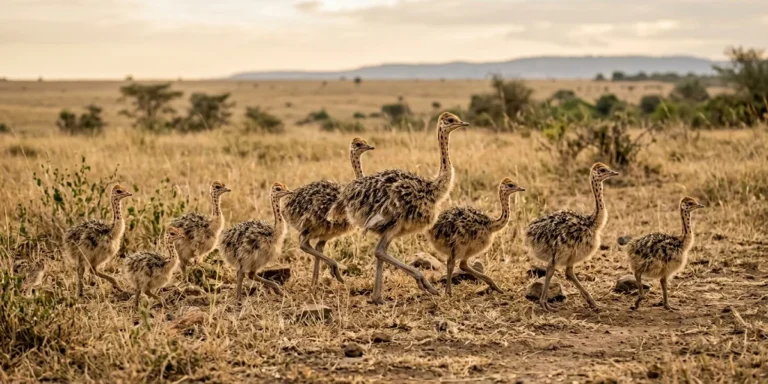
This preventive mindset is especially vital during the early stages of a bird’s life. Digestive disorders related to foreign object ingestion, along with severe gastric or intestinal impaction, are leading causes of mortality in young ostriches, with the vast majority of cases occurring within the first six months. For this reason, dietary management and pasture safety are core elements of veterinary prevention rather than simple daily routines.
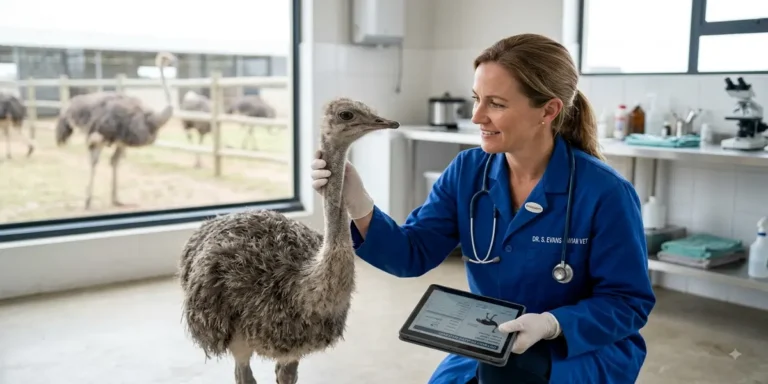
At the same time, managing ostriches presents unique challenges compared to standard livestock or poultry. Their massive physical size, powerful legs, distinct digestive anatomy, and specialized nutritional demands mean that partnering with a veterinarian familiar with ratites offers a significant advantage.
This guide breaks down the fundamentals of ostrich veterinary care, from establishing daily observation habits and preventing common ailments to selecting the right avian specialist before an emergency arises.
What Does Ostrich Veterinary Care Involve?
Effective ostrich veterinary care is best understood as a continuous process combining routine daily observation, preventive disease management, tailored nutrition, biosecurity, and timely medical intervention.
An ostrich does not need to display severe illness for veterinary care principles to be relevant. Consistent monitoring allows farm owners and keepers to detect subtle physical or behavioral shifts long before they escalate into high-cost, high-risk medical emergencies.
Routine Health Checks
Daily observation remains one of the simplest yet most effective diagnostic tools in ostrich health management.
Hands-on physical examinations are not required every single day. Instead, focus on evaluating each bird’s demeanor and physical condition relative to its established baseline.
Key health indicators to observe daily include:
- Appetite and Feed Intake: Promptness at feeding time and total feed consumed.
- Hydration Levels: Regular visits to fresh water sources.
- Activity and Mobility: Smooth gait, natural running posture, and overall alertness.
- Social Interaction: Normal engagement with the rest of the flock.
- Elimination: Consistency, color, and frequency of droppings and urate output.
- Respiration: Smooth, unlabored breathing without open-mouth panting or wheezing.
- Physical Condition: Clear eyes, normal posture, and the absence of swelling, feather loss, or visible wounds.
The primary indicator of distress is sudden change. An ostrich that is usually active but suddenly becomes lethargic, separates itself from the flock, stops eating, or shows an irregular stride requires immediate attention.
Preventive Care vs. Emergency Medical Care
Preventive care reduces overall disease vulnerability by eliminating environmental hazards before they cause harm.
Core preventive strategies include delivering a balanced diet, providing continuous access to clean water, maintaining biosecurity protocols, managing internal and external parasites, and thoroughly clearing enclosures of harmful debris.
Emergency veterinary care addresses immediate, life-threatening events. Severe trauma, acute respiratory distress, sudden collapse, neurological signs, suspected poisoning, or acute gastric impaction demand rapid professional diagnosis and treatment.
While preventive protocols significantly lower mortality risks across the flock, they must always be paired with a clear emergency response plan.
Why Ratite Experience Matters
Ostriches belong to the ratite family, a group of large, flightless birds with distinct physiological and anatomical traits. Their sheer size, strength, digestive structure, and stress response make physical handling, clinical examination, anesthesia, and medication dosing fundamentally different from standard canine, feline, or poultry medicine.
When establishing medical care for an ostrich flock, working with a veterinarian experienced in ratites, megafauna, or exotic avian species provides distinct advantages.
In regions where commercial ostrich farming is limited, locating a dedicated ratite practitioner can be challenging. In these areas, partnering with a veterinarian experienced in large animal medicine, poultry, or wildlife biology, who can consult with specialized avian pathologists or ratite experts when necessary, ensures your flock receives informed, high-quality care.
How to Find a Veterinarian Who Treats Ostriches
Finding a qualified veterinarian before an ostrich becomes seriously ill is a cornerstone of effective preventive health care. In areas where commercial ratite farming is uncommon, locating a clinic that explicitly advertises ostrich care can be challenging. In these cases, look for veterinary expertise in transferable disciplines such as avian medicine, exotic wildlife, or large-animal care.
Look for Ratite or Large-Bird Experience
Start by contacting local veterinary clinics to inquire about direct experience with ratites, including ostriches, emus, rheas, or cassowaries.
If no dedicated ratite practitioner is available nearby, look for veterinarians with expertise in:
- Avian Medicine and Poultry Health: Diagnostic testing, disease management, and specialized avian physiology.
- Wildlife or Zoological Species: Experience handling exotic megafauna and flightless birds.
- Large-Animal Restraint and Handling: Safe physical management techniques for massive, high-strength animals.
- Diagnostic Imaging and Laboratory Analysis: Avian-specific blood chemistry, radiography, and ultrasound.
- Avian Anesthesia and Surgical Procedures: Understanding the unique metabolic and respiratory demands of birds during surgery.
A practitioner with strong avian or large-animal foundations can often consult with ratite specialists remotely when complex medical situations arise.
Proximity is another crucial factor. Safely transporting a stressed, injured, or critically ill ostrich presents major logistical challenges. Knowing which local facility can perform diagnostic procedures or handle urgent stabilization saves vital time during a medical emergency.
Questions to Ask a Potential Ostrich Vet
Asking a few targeted questions helps determine whether a veterinary practice is equipped to handle ostriches safely:
- Have you treated ostriches, emus, or other ratites previously?
- Are you and your staff comfortable physically restraining an adult ostrich?
- Can your facility run diagnostic blood work, fecal tests, and radiographs on a large bird?
- Do you maintain direct contact with avian or exotic-animal specialists for peer consultation?
- Do you offer emergency medical care or on-farm emergency visits outside normal business hours?
- If specialized surgery or advanced diagnostics are required, where would you refer the bird?
- Can you assist in designing preventive health programs, including biosecurity, parasite management, and nutrition?
The goal is not to find a veterinarian who claims to know everything about ostriches. The priority is securing a licensed professional who respects the unique physiological needs of ratites, recognizes their clinical boundaries, and maintains a concrete plan to consult specialists when necessary.
What to Have Ready Before the First Visit
Proactive record-keeping streamlines veterinary care and accelerates accurate diagnoses.
Maintain an individual health profile for each ostrich containing:
- Basic Identifiers: Age, sex, leg band or microchip number, and weight history.
- Dietary Details: Specific feed formulas, pasture access, forage types, and supplements.
- Medical History: Vaccination records, parasite treatment history, prior illnesses, and ongoing medications.
- Behavioral Baselines: Normal activity patterns, social behavior, and baseline feed consumption.
Documenting subtle physical or behavioral shifts through high-quality photos or brief videos can also provide invaluable diagnostic evidence during a clinic visit.
For commercial farms or larger flocks, consistent record-keeping is critical. A gradual decline in body condition, feed efficiency, or activity across multiple birds reveals systemic flock issues that are nearly impossible to detect during a single clinical examination.
Most importantly, establish your veterinary support network well before an urgent medical event occurs.
What Is the Best Diet for Ostriches?
There is no universal feed formula that represents the best diet for every ostrich in all circumstances. Precise nutritional requirements shift continuously based on age, growth stage, reproductive activity, housing conditions, forage availability, and feed ingredient quality.
Developing an effective ostrich feeding strategy depends on maintaining a precise balance of essential nutrients rather than simply maximizing raw protein content or total daily intake.
For young and growing ostriches, proper dietary balance is especially critical. Rapid growth combined with improper mineral ratios or excess energy intake directly leads to severe developmental and skeletal abnormalities.
What Should an Ostrich’s Diet Include?
An appropriate ostrich diet delivers all necessary macro- and micronutrients required for optimal growth, immune function, reproduction, and digestive health.
Depending on the production system, a complete feeding program incorporates:
- Formulated Commercial Feeds: Pelleted or mashed rations balanced specifically for ratites or specialized poultry.
- High-Quality Forage and Pasture: Fresh leguminous crops like alfalfa (lucerne) or suitable grass varieties.
- Balanced Energy and Protein Sources: Cereal grains combined with digestible plant protein sources.
- Effective Fiber: Indigestible roughage required for healthy hindgut fermentation.
- Essential Minerals and Vitamins: Precise levels of calcium, phosphorus, trace minerals, and vitamins A, D, and E.
- Clean Water: Continuous access to fresh, uncontaminated drinking water.
Nutritional requirements differ significantly between chick rearing, adult maintenance, and egg-laying phases. Consequently, a feed formulated for one production stage must never be used interchangeably for another.
Diet for Chicks and Growing Ostriches
Young chicks require careful nutritional management because the physical consequences of dietary errors are most severe during rapid growth.
The primary objective during rearing is encouraging structural development without triggering excessively rapid weight gain. Research shows that overly high-protein or high-energy growth rations can cause severe leg deformities, proving that more protein does not inherently lead to healthier birds.
Rations should strictly match the bird’s developmental stage. When commercial ratite feeds are unavailable and custom blends are required, consultation with a qualified animal nutritionist or avian veterinarian is strongly advised.
Diet for Adult Ostriches
Non-breeding adult ostriches require a balanced maintenance diet rather than the calorie-dense growth formulations given to chicks.
Suitable pasture and green forage can fulfill a large portion of an adult ostrich’s daily nutritional needs. However, feeding a formulated maintenance pellet ensures the bird receives essential vitamins and minerals that forage alone may lack.
During the breeding season, males and egg-laying females require adjusted rations. Breeder diets contain higher calcium levels (typically 4.0% to 4.5%) to support eggshell synthesis without depleting the female’s skeletal calcium reserves.
Why More Protein Is Not Always Better
While protein is vital for cellular repair and tissue growth, escalating protein levels indefinitely does not improve ostrich health or performance.
The same restriction applies to energy density. Diets engineered purely to maximize growth rates often lead to skeletal failure, as the bird’s bone matrix cannot support its rapidly increasing muscle mass.
Evaluating an ostrich diet requires focusing on growth quality, structural strength, digestive health, and overall longevity rather than short-term weight gain alone.
Water, Forage, and Mineral Balance
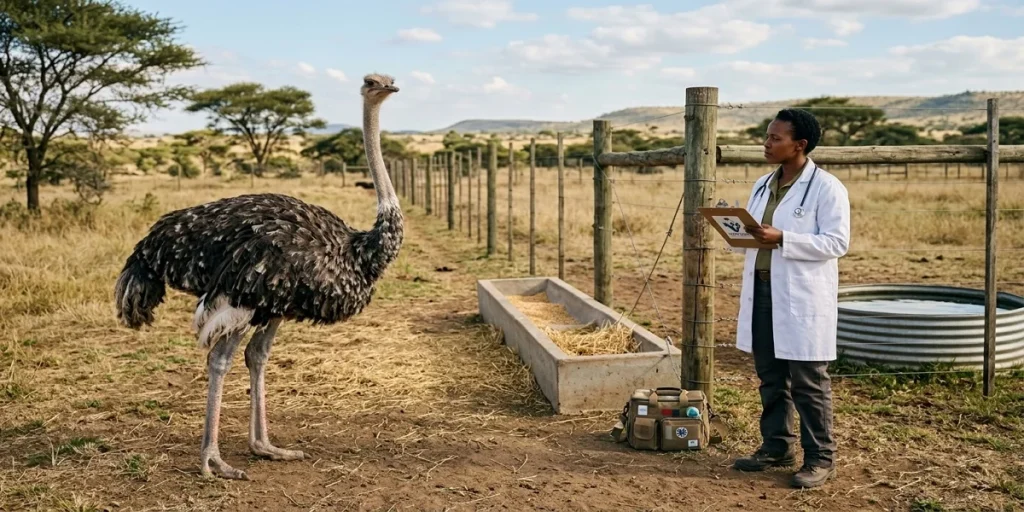
Clean, accessible water remains the single most important component of ostrich nutrition. Water troughs must be cleaned frequently and positioned to prevent contamination from droppings, dirt, mud, or spilled feed.
When providing pasture or cut forage, quality and environmental cleanliness are vital. Grazing areas must be rigorously cleared of foreign objects, as ostriches naturally peck at bright or unusual debris.
Mineral supplementation must also be handled precisely. Excess calcium or phosphorus interferes with the absorption of other critical minerals like zinc and manganese, leading to metabolic disorders.
Nutrition directly intersects with veterinary medicine at the feeding site. A diet can appear perfectly balanced on paper, yet a poor feeding environment can introduce life-threatening medical risks.
This connection highlights one of the most critical preventable health conditions in growing ratites: gastric and intestinal impaction.
Ostrich Stomach Impaction: A Major Preventable Risk
Environmental and dietary management are central to ostrich veterinary care largely due to the severe threat of gastric and intestinal impaction.
Impaction occurs when swallowed material accumulates within the digestive tract—most commonly in the proventriculus or gizzard—and fails to pass naturally. In ostriches, this blockage can stem from dry fibrous feed or ingested foreign objects, rapidly escalating into a life-threatening veterinary emergency.
Research in ratite health identifies gastric impaction as a leading cause of mortality in growing birds. Studies report that impaction accounts for approximately 30% to 46% of spontaneous deaths in young ostriches, with nearly 90% of all recorded cases occurring within the first six months of life.
While specific risk levels vary based on housing conditions, age, and management practices, these statistics underscore why juvenile ostriches require strict environmental oversight.
What Causes Impaction?
Impaction develops when material gathers in the digestive tract faster than normal peristalsis can move it forward.
Key contributing factors include:
- Ingestion of Inappropriate Foreign Material: Swallowing non-food debris found on pasture or in pens.
- Poorly Managed Feeding Areas: Feeding directly on loose sand, gravel, or dirt substrates.
- Inadequate or Unsuitable Nutrition: Diets lacking effective fiber or failing to match the bird’s developmental stage.
- Sudden Dietary Changes: Abrupt transitions between feed types or sudden access to tough, fibrous forage.
- Reduced Gastrointestinal Motility: Slowed digestion triggered by underlying systemic illness, dehydration, or stress.
An ostrich’s natural feeding behavior relies heavily on pecking at ground objects. Consequently, anything accessible within its enclosure can potentially enter its digestive system, making pasture sanitation just as critical as feed quality.
Why Young Ostriches Are Especially Vulnerable
The first six months of an ostrich’s life represent the highest risk window for digestive blockages.
During this rapid growth phase, young ostriches actively explore their environment by pecking at ground objects. They frequently swallow foreign material either accidentally while foraging or intentionally out of curiosity.
Because juvenile digestive tracts are smaller and more easily obstructed, maintaining a secure, debris-free environment for chicks and young juveniles is the most effective form of preventive veterinary care.
Foreign Objects Ostriches May Swallow
Clinical studies of ratite impaction document a wide variety of ingested materials, including:
- Stones, gravel, and heavy sand
- Wood chips and sticks
- Broken glass
- Plastic shreds and bottle caps
- Wire, nails, and metal fragments
This behavior explains why the popular misconception of an ostrich “eating metal” exists. While an ostrich is physically capable of swallowing metal objects, doing so is not normal or harmless. Foreign body ingestion causes severe internal trauma, tissue necrosis, and fatal blockages.
Environmental stress also plays a significant role. Research indicates that ostriches under stress display heightened rates of abnormal pecking and object ingestion, making gentle handling and stable routine key elements of impaction prevention.
How to Reduce the Risk
Preventing impaction requires proactive hazards management across all living and feeding spaces.
- Conduct Daily Enclosure Inspections: Regularly clear pastures, pens, and walkways of loose wire, plastic, nails, glass, and trash.
- Inspect Equipment Routinely: Check feeders, water troughs, and fencing for loose hardware or broken components.
- Avoid Feeding on Loose Substrates: Place feed in elevated or rubber-lined troughs rather than directly on sand or gravel.
- Provide Continuous Clean Water: Dehydration slows digestive transit times and drastically increases impaction risks.
- Maintain Environmental Consistency: Keep routines stable to minimize stress-induced pecking behavior.
- Monitor Young Birds Closely: Track daily feed intake, activity levels, and droppings to spot early signs of lethargy or abdominal distension.
If an ostrich is suspected of swallowing a foreign object or developing a digestive blockage, do not attempt home remedies or induce vomiting without professional medical guidance. The appropriate treatment depends on the object’s location, size, and the bird’s overall clinical condition.
This challenge leads directly to another fundamental topic in ostrich nutrition: identifying which foods are actually dangerous, and separating proven toxicities from online myths.
Foods Toxic to Ostriches: What Should You Avoid?
Search for foods toxic to ostriches and you will quickly find lists claiming that certain fruits, vegetables, or household foods are dangerous. The problem is that many of these lists provide little or no ostrich-specific veterinary evidence.
That distinction matters. A food known to be toxic to one animal species cannot automatically be classified as toxic to another, and an internet list is not a substitute for veterinary toxicology information.
For ostriches, it is more useful to separate documented hazards, inappropriate foods, and unverified claims rather than creating a long list of supposedly toxic foods without reliable evidence.
Why Ostrich Toxic-Food Lists Can Be Misleading
Some foods are well established as toxic to particular domestic animals, but that does not mean the same evidence exists for ostriches.
For example, you may encounter claims online that avocado, onions, garlic, or other common foods are specifically toxic to ostriches. Unless the claim is supported by reliable avian toxicology or ostrich-specific veterinary evidence, it should not be presented as a confirmed ostrich toxin simply because it appears repeatedly on websites.
That does not mean an ostrich should be fed household leftovers indiscriminately. It means the safest approach is to feed a properly formulated diet intended for ostriches rather than trying to construct a diet from human foods.
When the toxicity of a particular food is uncertain, ask a veterinarian before feeding it, especially if the bird has already consumed a significant amount.
Known Food Hazards vs. Unverified Claims
There is an important difference between something being toxic and something being unsafe to feed.
A food may be unsuitable because it is nutritionally unbalanced, spoiled, contaminated, excessively rich, difficult to digest, or simply inappropriate for the bird’s life stage without necessarily being a recognized toxin.
This distinction prevents two opposite mistakes:
Mistake 1: Assuming every food on a popular “toxic foods” list is proven poisonous to ostriches.
Mistake 2: Assuming that anything not proven toxic must therefore be safe to feed.
Neither is a good basis for animal nutrition.
The safest default is to use feeds and forage appropriate for ostriches and to introduce anything outside the normal diet only with appropriate nutritional or veterinary guidance.
The Bigger Risk: Foreign Objects and Poor-Quality Feed
For ostriches, one of the better documented preventable hazards is not a particular fruit or vegetable but what the bird can swallow from its environment.
Stones, wood, glass, plastic, and metal have all been reported among foreign materials associated with ostrich stomach impaction. This makes the physical condition of the feeding environment extremely important.
Feed quality matters too. Moldy, spoiled, contaminated, or improperly stored feed should never be treated as harmless simply because it was originally intended for livestock.
Store feed in a clean, dry location and prevent access by pests or other animals that could contaminate it.
In practical terms, preventing an ostrich from eating a piece of plastic lying beside its feeder may be more immediately important than trying to memorize a long internet-generated list of supposedly toxic foods.
When an Ostrich Eats Something It Shouldn’t
If an ostrich consumes an unfamiliar food, chemical, medication, or foreign object, the safest response is to identify what was consumed, approximately how much, and when it happened, then contact a veterinarian for advice.
Do not assume that the absence of immediate symptoms means there is no risk. Some problems develop gradually, particularly when a foreign object remains in the digestive tract.
Useful information to provide the veterinarian includes:
- What the ostrich consumed
- Approximate quantity
- When it happened
- The bird’s age and approximate size
- Any symptoms already observed
- What the bird normally eats
- Whether other ostriches had access to the same material
If the substance or object is available, keep the packaging, label, photograph, or remaining material so the veterinarian can identify it accurately.
When reliable ostrich-specific evidence is limited, caution is better than a confident but unsupported toxic-food list.
That same preventive approach applies to the wider health program: nutrition is only one part of keeping an ostrich healthy. Clean surroundings, biosecurity, parasite control, vaccination where appropriate, and regular observation all play a role.
Preventive Health Care for Ostriches
Effective ostrich veterinary care does not begin when a bird displays severe clinical signs. It starts with a comprehensive management system designed to eliminate daily environmental and biosecurity risks.
Nutrition, hygiene, pasture safety, parasite control, biosecurity protocols, targeted vaccination, and continuous daily observation function together. While no management routine guarantees complete disease immunity, this multi-layered approach dramatically reduces pathogen exposure and ensures early disease detection.
Daily Observation Habits
Spending a few focused minutes observing your flock daily provides invaluable insight into their health status.
Before examining individual symptoms, evaluate the bird from a distance. Is it alert and responsive? Does it move with a fluid, confident gait? Is it actively feeding, drinking, and interacting with the flock?
Key daily observations include:
- Appetite and Fluid Intake: Timely response to feeding and regular water consumption.
- Activity Levels and Posture: Steady stance, natural alertness, and balanced gait.
- Respiratory Function: Smooth, silent breathing without gasping or throat movements.
- Droppings and Elimination: Normal consistency and color of feces and urates.
- Physical Demeanor: Clear eyes, clean nostrils, and normal plumage condition.
- Social Dynamics: Natural flock cohesion without abnormal isolation or sudden aggression.
Establishing a clear baseline for each bird makes subtle behavioral shifts much easier to identify.
This is especially valuable when managing groups. If several ostriches simultaneously display reduced feed intake or lethargy, the cause is far more likely to involve feed contamination, water quality issues, environmental stress, or an infectious pathogen rather than an isolated physical injury.
Clean Water and Feeding Management
Maintaining clean feeding and drinking infrastructure is a basic requirement of preventive avian care.
Outdoor water troughs quickly collect dirt, feces, algae, and spilled feed. Inspect and scrub water containers regularly to prevent bacterial and protozoal contamination.
The ground surrounding feeding stations requires equal attention. Accumulated feed residue, standing water, and mud create ideal breeding grounds for mold and bacteria.
In addition, feeding sites must be cleared of foreign objects. A clean feeder situated over ground strewn with plastic bits, wire, or debris remains a high-risk feeding environment.
Biosecurity and Farm Hygiene
Biosecurity consists of practical management steps designed to prevent infectious pathogens from entering, spreading within, or leaving a farm environment.
While specific protocols vary based on flock size, essential biosecurity practices include:
- Quarantine Procedures: Isolating all new arrivals for a minimum of 30 days before flock introduction.
- Access Control: Restricting unauthorized human and vehicular traffic within bird housing areas.
- Wild Bird Exclusion: Minimizing contact with wild birds, which frequently carry avian influenza and Newcastle disease.
- Equipment Sanitation: Disinfecting transport crates, tools, and footbaths regularly.
- Flock Segregation: Promptly isolating sick or injured birds in dedicated infirmary pens under veterinary guidance.
Consistent execution of simple hygiene standards is far more effective than maintaining complex biosecurity guidelines that are rarely practiced.
Parasite and Tick Control
External and internal parasites impact flock productivity and overall health depending on local climate, pasture management, and exposure levels.
Ticks pose a major health threat in endemic regions. Beyond causing skin irritation and secondary bacterial infections, ticks vector serious systemic pathogens to ratites.
Parasite management programs should be designed alongside a qualified veterinarian based on local epidemiological risks.
Crucially, antiparasitic drugs or pesticides labeled for cattle or poultry must never be administered to ostriches without professional direction. Metabolic differences mean dosages and safe compounds vary significantly across animal species.
For birds kept in heavy tick environments, regular physical inspections of the neck, thighs, and vent area help detect infestations before clinical anemia or disease transmission occurs.
Vaccination Protocols and Medication Safety
Vaccination serves as a vital defensive layer in ostrich preventive medicine, though no universal worldwide immunization schedule exists.
Disease threats differ across countries, regions, and production setups. Consequently, vaccine selection depends on regional pathogen prevalence, regulatory requirements, and vector density.
Newcastle Disease remains a primary concern for commercial ostrich producers globally. Clinical research confirms that specific Newcastle Disease vaccines formulated for avian species can be administered effectively to ostriches under professional supervision.
Avipoxvirus (Fowl Pox) is another significant threat, typically transmitted through mosquito vectors and direct contact.
Vaccination schedules must be customized by an avian practitioner rather than adapted informally from standard poultry charts. A veterinarian considers local disease exposure, bird age, reproductive status, and regional regulations before recommending a protocol.
The same precaution applies to therapeutic medications. Ostriches possess unique metabolic rates and organ structures. Administering off-label drugs without professional guidance carries a high risk of organ toxicity or treatment failure.
Healthy Ostrich vs. Warning Signs
Recognizing when an ostrich strays from its normal physical or behavioral baseline is one of the most critical skills a manager can develop.
A brief, temporary shift in behavior does not always indicate illness. Weather changes, sudden environmental noise, or minor social disputes can temporarily alter a bird’s demeanor.
Concern is warranted when behavioral changes are persistent, sudden, severe, or progressively worsening.
| Physical / Behavioral Trait | Healthy Baseline | Warning Sign (Requires Attention) |
| Alertness & Responsiveness | Active, alert, and responsive to surroundings | Unusually quiet, lethargic, or difficult to rouse |
| Appetite & Feeding | Prompt response at feeding, normal intake | Refusing feed or showing a marked drop in intake |
| Mobility & Gait | Smooth stride, balanced running | Lameness, favoring one leg, reluctance to stand |
| Posture | Upright, natural head and neck carriage | Drooping head, persistent wing droop, hunched posture |
| Respiration | Unlabored, silent breathing | Open-mouth breathing, coughing, gasping, or gurgling |
| Droppings | Well-formed feces with distinct white urates | Diarrhea, discolored urates, bloody stool, or complete absence |
| Ocular & Nasal Areas | Clear, bright eyes; dry nostrils | Swollen eyelids, ocular discharge, or nasal moisture |
| Social Behavior | Integrated with flock, normal dynamics | Persistent isolation, weakness, or uncharacteristic aggression |
| Body Condition | Full muscle coverage over keel and thighs | Prominent bone exposure, rapid weight loss, or dehydration |
These warning signs serve as clinical indicators rather than complete diagnoses.
A loss of appetite can stem from environmental heat stress, gastric impaction, or systemic infection. Similarly, abnormal droppings indicate gastrointestinal disruption without identifying the specific pathogen.
The primary goal of routine observation is not self-diagnosis. It is the early identification of physical abnormalities so detailed clinical information can be communicated to your veterinarian promptly. When severe symptoms appear, rapid professional intervention offers the best outcome for recovery.
When Should You Call an Ostrich Vet?
Not every minor behavioral change requires an immediate emergency veterinary visit. Ostriches frequently adjust their activity levels in response to weather shifts, modified feeding schedules, social disputes, or recent handling.
However, medical concern escalates when a behavioral or physical shift is sudden, persistent, severe, or progressively worsening over time.
Call Your Vet Promptly If…
Contact an avian or ratite veterinarian immediately if an ostrich displays any of the following clinical signs:
- Sudden Anorexia or Adipsia: Complete refusal of feed or water for more than 12 to 24 hours.
- Acute Weakness or Collapse: Extreme lethargy, inability to rise, or severe reluctance to move.
- Respiratory Distress: Open-mouth breathing, coughing, gasping, or audible tracheal gurgling.
- Severe Lameness: Favoring a leg, obvious bone deformity, or complete inability to walk normally.
- Gastrointestinal Distress: Repeated regurgitation, active vomiting, or persistent severe diarrhea.
- Neurological Signs: Head tilts, uncoordinated movement (ataxia), tremors, or abnormal disorientation.
- Trauma and Injuries: Deep lacerations, active hemorrhaging, or major soft tissue swelling.
- Suspected Foreign-Body Ingestion: Observed swallowing of plastic, metal, wire, glass, chemicals, or toxic substances.
- Rapid Clinical Deterioration: Swift decline in overall physical condition within a short timeframe.
Suspected foreign-body ingestion requires immediate clinical evaluation. An ostrich may initially appear bright and alert after swallowing hazardous debris, even while the material accumulates in the proventriculus to form a fatal obstruction.
Similarly, an ostrich suffering from respiratory distress or extreme weakness should never be managed with unverified home remedies.
What to Record Before Calling
Providing clear, structured information enables your veterinarian to assess the urgency of the situation and prepare appropriate diagnostic tools.
Before placing the call, compile the following clinical details:
| Category | Information to Note |
| Bird Identification | Approximate age, sex, and weight estimate |
| Primary Symptom | The main physical or behavioral abnormality observed |
| Onset & Duration | Exact time the symptom was first noticed and progression speed |
| Appetite & Hydration | Recent feed intake and water consumption levels |
| Elimination Output | Fecal color, consistency, urate appearance, and frequency changes |
| Activity & Mobility | Alertness levels, posture, gait, or reluctance to stand |
| Dietary History | Current commercial feed, forage source, and recent dietary changes |
| Environmental Conditions | Recent pen moves, weather events, or construction nearby |
| Hazard Exposure | Potential access to wire, metal, plastic, chemicals, or toxic plants |
| Flock Involvement | Whether other ostriches in the pen show similar symptoms |
Capturing clear photos or short video clips of intermittent symptoms—such as an irregular stride, respiratory effort, or abnormal droppings—provides valuable diagnostic evidence for your practitioner.
However, do not delay urgent emergency care solely to collect detailed records. Immediate stabilization takes priority in critical situations.
How Much Does It Cost to Maintain an Ostrich?
Establishing a single, universal annual maintenance figure for an ostrich is impractical because veterinary and husbandry expenses vary widely across geographic regions, farming models, and flock sizes.
Overall maintenance budgets extend far beyond basic veterinary treatment fees.
Standard expense categories include:
- Nutrition and Hydration: Formulated ratite feeds, leguminous forage (alfalfa), and clean water delivery.
- Infrastructure Maintenance: High-tensile perimeter fencing, interior pen dividers, and shelter upkeep.
- Routine Veterinary Care: Annual flock health evaluations, diagnostic blood work, and fecal testing.
- Preventive Treatments: Regionally required vaccinations and tick or internal parasite control.
- Emergency Medical Fund: Contingency budget for emergency surgery, diagnostic imaging, and therapeutic medications.
- Logistics and Transport: Specialized livestock trailers and transport equipment for clinic visits.
Veterinary expenditures are especially variable. Routine preventive consultations differ drastically from emergency surgical procedures requiring hospitalization, radiology, or specialized referral centers.
Feed costs similarly scale based on operation type. A small homestead keeping a pair of birds encounters different cost structures than a commercial farm raising large groups of market chicks.
Prospective owners should construct a localized budget based on current feed prices, regional land costs, fencing materials, and local veterinary fee schedules rather than relying on generic global estimates.
Can an Ostrich Make a Good Pet?
While private individuals can legally keep ostriches in certain jurisdictions, these birds do not function as conventional household pets.
Adult ostriches are massive, high-strength animals possessing formidable legs capable of delivering lethal defensive kicks. They require extensive outdoor pasture, specialized high-tensile fencing, tailored ratite nutrition, flock interaction, and experienced handling.
Behavioral dynamics shift dramatically as birds reach sexual maturity. A juvenile chick that appears docile and manageable can become highly territorial and unpredictable during the breeding season.
Consequently, keeping ostriches must be managed as professional livestock husbandry rather than domestic pet ownership.
Before acquiring ostriches, prospective owners must review local livestock zoning laws, wildlife regulations, fencing height requirements, and animal welfare codes governing large flightless birds in their municipality.
Frequently Asked Questions About Ostrich Veterinary Care
How do I find a vet who treats ostriches?
Look for a licensed veterinarian experienced in ratites, large birds, poultry health, wildlife, or exotic zoological species. If a local practitioner has limited direct ostrich experience, ask whether they maintain consultation partnerships with avian or exotic-animal specialists. It is critical to establish a relationship with a qualified veterinarian before a medical emergency occurs.
What is the best diet for ostriches?
The best diet depends on the bird’s age, growth rate, reproductive status, housing setup, forage quality, and production goals. A complete feeding program combines formulated ratite rations, high-quality leguminous forage like alfalfa, effective fiber, essential minerals (calcium and phosphorus), vitamins, and continuous access to clean water. There is no universal feed formula that suits all growth stages.
What foods are toxic to ostriches?
While specific clinical research on ostrich toxicities is ongoing, items known to cause severe distress or toxicity in birds include avocados, nightshade plants (green tomatoes and raw potatoes), fruit pits containing cyanogenic glycosides, chocolate, caffeine, and spoiled feed containing mycotoxins. The safest approach is feeding balanced commercial ratite diets and avoiding unverified foods or supplements without veterinary approval.
Do ostriches really eat metal?
Ostriches can swallow metal, plastic, glass, and stones due to their natural pecking behavior, but metal is not a normal or healthy part of their diet. Foreign body ingestion leads to severe gastrointestinal trauma, tissue necrosis, and life-threatening gastric impaction. Clearing pastures and feeding pens of loose debris is an essential preventive measure.
Do ostriches need vaccinations?
Vaccination plays a key role in preventive health, but immunization schedules vary based on geographic region, local pathogen prevalence, and regulatory mandates. Vaccines against Newcastle Disease and Avipoxvirus (Fowl Pox) are commonly evaluated and administered in ratite production. A vaccination program should always be designed by a veterinarian rather than copied directly from poultry charts.
What are the most common health problems in ostriches?
Ostriches suffer from a range of conditions affecting the digestive, respiratory, and musculoskeletal systems. Gastric and intestinal impaction remains the most critical health risk in growing chicks and juveniles. Other common issues include respiratory infections (aspergillosis), leg deformities (perosis), external tick infestations, and physical trauma. For a broader analysis of symptoms and treatments, explore our ostrich diseases guide.
How do I know if my ostrich is sick?
The most reliable sign of illness is a sudden shift from the bird’s baseline behavior. Common warning signs include anorexia, lethargy, persistent weakness, lameness, open-mouth breathing, abnormal droppings (diarrhea or discolored urates), swollen eyes, or persistent isolation from the flock. If symptoms are severe, sudden, or worsening, contact a veterinarian immediately.
Can you legally own an ostrich in the US?
Legal ownership depends on state, county, municipal, livestock, and wildlife regulations. Rules vary significantly depending on whether the bird is classified as commercial livestock, exotic wildlife, or a private animal. Prospective owners in the United States must check local zoning codes and permit requirements before purchasing an ostrich.
Final Thoughts
Effective ostrich veterinary care begins long before a bird shows physical signs of illness. A well-structured health plan integrates age-appropriate nutrition, clean drinking water, safe hazard-free enclosures, robust biosecurity, parasite management, and daily flock observation. For growing chicks in particular, rigorous debris management is critical to prevent fatal gastric impactions.
Equally important is knowing when self-treatment is insufficient. Ostriches are massive, physiologically specialized birds with distinct metabolic demands. Medications, dosages, nutritional ratios, and vaccination schedules designed for standard livestock or poultry cannot be safely applied to ratites without professional oversight.
The objective of modern ostrich management is not to eliminate every medical risk completely. It is to build a secure environment where preventable hazards are minimized, behavioral changes are spotted early, and professional veterinary assistance is secured whenever needed. A truly healthy ostrich is supported by balanced nutrition, safe surroundings, proactive management, and expert veterinary care.