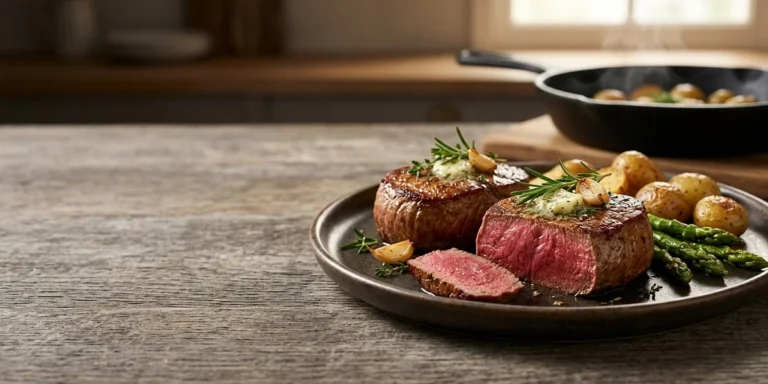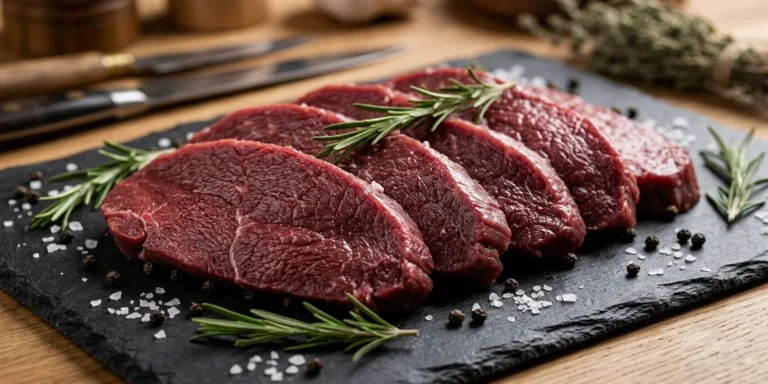
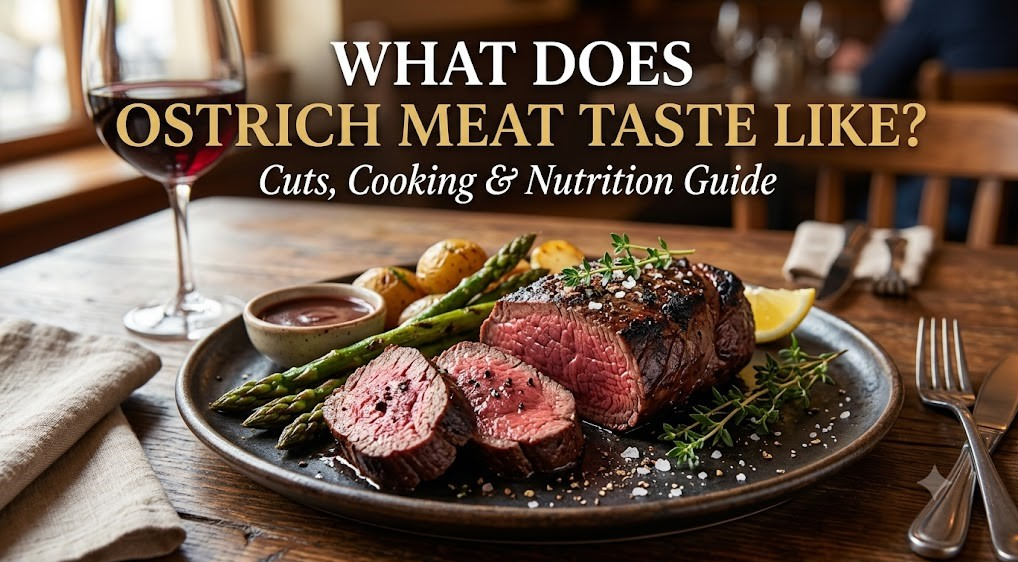
Quick Answer: Ostrich meat tastes similar to lean beef, with a slightly sweet and mild flavor. It is tender, low in fat, and less heavy than traditional red meat.
What does ostrich meat taste like? It is one of the most common questions people ask before trying this remarkable red meat for the first time. Ostrich meat has a mild, slightly sweet flavor often compared to lean grass-fed beef, but lighter, leaner, and surprisingly tender when cooked correctly. Many people are surprised by how mild it is, especially compared to stronger-tasting game meats like venison.
The biggest difference is that ostrich meat has the familiar richness of beef without much of its fat. Its flavor is generally milder than venison, while its fine texture makes it feel more like a lean steak than chicken breast. The final taste depends on the cut, the bird’s diet, and how carefully the meat is cooked.
Table of Contents
Is Ostrich Meat More Like Beef or Chicken?
Even though ostriches are birds, their meat is classified as red meat rather than poultry.
In terms of taste and texture, this lean red meat is much closer to beef, especially lean cuts. It is often compared to beef tenderloin (filet mignon) because of its fine texture and low fat content.
The flavor is:
- closer to beef than chicken
- milder than most game meats
- slightly sweeter and cleaner than traditional beef
Unlike fattier cuts of beef, ostrich meat does not have a heavy or greasy feel. Instead, it has a light yet rich taste that many people find easier to eat.
Texture-wise, it behaves more like a high-quality steak than chicken breast. When cooked properly, it remains tender and soft, similar to a well-prepared filet mignon.
This combination of lean structure and familiar beef-like taste is one of the main reasons this lean red meat is often seen as a healthier alternative to traditional red meat.
| Meat | Flavor | Texture |
|---|---|---|
| Ostrich | Mild, slightly sweet, beef-like | Lean and fine-grained |
| Beef | Richer, depending on fat content and cut | Varies from tender to firm |
| Chicken breast | Mild and less beef-like | Softer, with a different muscle structure |
| Venison | Often more pronounced, game-like notes | Lean, sometimes firmer |
Ostrich meat is generally closer to lean beef than chicken in flavor, although the exact comparison depends on the cut and cooking method.
Texture of Ostrich Meat
Texture plays a major role in how ostrich meat is experienced, and this is where it stands out from many other meats.
Ostrich meat is:
- very lean
- fine-grained
- naturally tender when cooked correctly
Unlike fatty cuts of beef, ostrich meat contains almost no marbling. This means the texture is clean and uniform rather than juicy from fat. Because of this, it is often compared to beef tenderloin (filet mignon), which is also a lean and tender cut.
Fine Grain and Muscle Structure
Ostrich meat has a tight, fine muscle grain, which gives it a smooth and soft bite.
This comes from the bird’s physiology. Ostriches are built for speed, and their leg muscles are highly developed but not heavily marbled with fat. The result is a meat that feels firm when raw but becomes very tender when cooked properly.
Lean Meat and Cooking Sensitivity
Because this lean read meat is extremely lean, it behaves differently during cooking.
- it cooks faster than beef
- it loses moisture quickly if overcooked
- it requires more precise temperature control
In practical terms, this means:
👉 even a few extra minutes on heat can noticeably change the texture
When overcooked, ostrich meat can become:
- dry
- slightly chewy
- less flavorful
Ideal Texture When Cooked Properly
When cooked to medium or medium-rare, ostrich meat develops its best texture.
At this level:
- the inside remains tender and slightly juicy
- the fibers stay soft
- the meat keeps its natural flavor
This is why many chefs treat ostrich steak similarly to a high-quality beef steak.
Check our detailed guide: How to cook ostrich meat without drying it out
Comparison to Other Meats
To understand its texture more clearly:
- more tender than most lean beef cuts
- firmer than chicken breast
- less fibrous than game meats like venison
This balance makes it appealing to people who want something familiar but lighter than traditional red meat.
Practical Insight
One common mistake is cooking ostrich meat the same way as regular beef.
In practice, better results come from:
- quick, high-heat cooking
- avoiding well-done levels
- letting the meat rest after cooking
These small adjustments make a noticeable difference in texture and overall eating experience.
Why Ostrich Meat Tastes Different
Several factors influence the taste of ostrich meat, and understanding these makes it easier to see why it stands apart from both beef and poultry.
Diet
What ostriches eat has a direct impact on the flavor of their meat. Birds raised on a balanced diet of natural vegetation, grains, and supplements tend to produce cleaner and more consistent flavors.
In farming environments, controlled feeding results in a more predictable taste profile. In contrast, wild ostriches may have slight variations in flavor depending on available food sources. This is why understanding what ostriches eat in different environments is closely tied to the quality and taste of the meat.
Low Fat Content
One of the biggest differences between ostrich meat and beef is its extremely low fat content.
Fat plays a major role in flavor intensity and mouthfeel. Because ostrich meat contains very little fat, it has a lighter, cleaner taste. It does not leave the same heavy or greasy sensation that fattier red meats often do.
This makes it easier to eat in larger portions and more appealing to people who prefer leaner cuts of meat.
Muscle Structure
Ostriches are built for speed, and their muscle structure reflects that.
Their muscles are dense, well-developed, and low in fat, which contributes to both texture and flavor. The meat has a firm yet tender bite and a rich taste without being overpowering.
This is also why ostrich flesh is often compared to lean cuts of beef rather than fatty steaks. The structure creates a balance between depth of flavor and a clean finish.
Is Ostrich Meat Healthy?
This alternative protein is widely considered one of the healthier red meat options available.
It is naturally low in fat and contains high levels of protein, making it suitable for people who want to maintain muscle while reducing fat intake. It is also rich in iron, which supports energy levels and overall health. For a full nutritional breakdown, see our guide on is ostrich meat considered red meat.
Another important advantage is its relatively low cholesterol compared to traditional red meats like beef. Because of this, ostrich flesh is often included in diets focused on heart health or weight management.
For people who enjoy red meat but want a lighter alternative, ostrich offers a practical balance between nutrition and taste.
The table below compares the nutritional profile of ostrich meat with that of beef and chicken. It offers valuable insights, particularly for athletes and fitness enthusiasts looking to optimize their diet.
| Nutrient | Ostrich (100g) | Beef (100g) | Chicken (100g) |
|---|---|---|---|
| Calories | 114 kcal | 250 kcal | 165 kcal |
| Protein | 22g | 26g | 31g |
| Total Fat | 2.8g | 17g | 3.6g |
| Iron | 3.2mg | 2.6mg | 1.0mg |
| Cholesterol | 67mg | 87mg | 85mg |
Popular Cuts of Ostrich Meat
Ostrich meat is primarily cut from the thighs and hindquarters. The bird’s size and muscle structure produce several distinct cuts, each suited to different cooking methods.
| Cut | Description | Best Cooking Method |
|---|---|---|
| Fan Filet | Upper inner thigh, similar to London Broil | Grilling, pan-searing |
| Tenderloin | Most tender cut, similar to beef tenderloin | Quick sear, medium-rare |
| Top Striploin | Similar to New York Strip | Grilling |
| Ground Ostrich | Similar to ground beef | Burgers, meatballs, tacos |
Because the meat comes primarily from the legs and thighs, the muscles ostriches rely on for their remarkable running speed, it is dense, well-developed, and naturally low in fat.
How Ostrich Meat Is Cooked
Ostrich steak is usually prepared in ways similar to beef, but it requires more attention due to its low fat content.
Common cooking methods include grilling, pan-searing, and roasting. These methods work well because they allow the meat to cook quickly while preserving its natural texture.
The most important rule is to avoid overcooking. Because there is very little fat, the meat can lose moisture quickly and become dry if left on heat for too long.
In practice, ostrich steak is best served at medium or medium-rare. At this level, it remains tender, slightly juicy, and full of flavor. Cooking it beyond this point often reduces both texture quality and taste.
USDA classifies ostrich as red meat. For food safety and best results, The USDA recommends cooking ostrich meat to an internal temperature of 160°F (71°C). However, many chefs prefer pulling it off heat at 145°F (63°C) for medium-rare, which preserves moisture and tenderness.
Allowing the meat to rest after cooking also helps retain its juices and improves the overall eating experience.
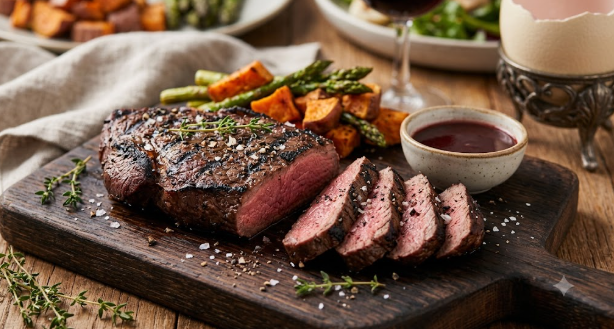
Best Marinades and Seasonings
Because ostrich meat is lean and mild, it absorbs marinades exceptionally well. Recommended combinations:
- Red wine, garlic, and rosemary- Classic steakhouse pairing
- Olive oil, lemon zest, and thyme- Mediterranean style
- Soy sauce, ginger, and sesame oil- Asian-inspired
A minimum of 2 hours of marinating significantly improves moisture retention. Overnight marinating delivers the best results.
Looking for an easy way to enjoy ostrich steak? Try these 5 easy ostrich steak recipes for delicious meal ideas.
Does Ostrich Meat Taste Gamey?
This alternative red meat is generally not considered gamey.
Unlike meats such as venison, which can have a strong and sometimes overpowering flavor, ostrich flesh has a much cleaner and milder profile. This makes it more accessible, especially for people who are trying alternative meats for the first time.
Its balanced taste is one of the reasons it appeals to a wide range of consumers. It offers something different from beef, but without the strong flavors that some people find difficult in wild game.
Why People Are Switching to Ostrich Meat
This alternative red meat has gained attention in recent years as more people look for alternatives to traditional red meat.
One of the main reasons is health. Its low fat content and high protein levels make it attractive for those who want to eat healthier without giving up meat entirely.
Taste also plays a role. It provides a familiar experience similar to beef but feels lighter and less heavy.
There is also growing interest in sustainability. Ostrich farming can be more resource-efficient compared to some other livestock systems, which has increased its appeal in certain markets.
This shift in demand is one of the reasons why ostrich farming and egg production has expanded globally.
How Ostrich Meat Compares to Other Meats
Ostrich meat stands somewhere between traditional red meat and lighter protein sources, which makes it unique.
Compared to beef, it is leaner and less heavy. Compared to chicken, it has a deeper flavor and firmer texture. Compared to game meats, it is milder and easier to enjoy.
In practical terms, it offers a balance that many people find appealing. It delivers the richness of red meat without the drawbacks of high fat content.
For a detailed head to head, see our ostrich meat vs beef comparison.
Are There Any Disadvantages to Ostrich Meat?
For all its benefits, ostrich meat isn’t perfect for everyone. A few honest downsides are worth knowing before you buy.
Price: Ostrich typically costs more per pound than standard beef cuts, sometimes significantly more, since the supply chain is still much smaller than the cattle industry.
Availability: It’s not sold in most standard grocery stores. You’ll usually need a specialty butcher, an online retailer, or a farm that sells direct.
Easy to overcook: Because it has so little fat, ostrich punishes overcooking more than beef does. A few extra minutes on the heat can turn a tender cut dry and chewy, so it takes a bit more attention than a typical beef steak.
None of these are deal breakers, but they’re worth knowing going in, especially if you’re cooking it for the first time.
Where to Buy Ostrich Meat
Ostrich meat is not yet widely available in standard supermarkets, but it can be found through several channels:
- Specialty butcher shops and gourmet meat retailers
- Online meat delivery services (search for “ostrich meat delivery” in your region)
- Farmers markets in areas with active ostrich farming
- Direct purchase from ostrich farms
When buying, look for vacuum-sealed packaging and a deep wine-red color. Avoid meat that appears brown or has an unusual odor.
FAQ
What does ostrich meat taste like compared to beef?
The flavor profile of ostrich meat similar to lean beef but is lighter and slightly sweeter. It does not have the same heaviness because it contains much less fat.
Is ostrich meat tough or tender?
This alternative red meat is naturally tender when cooked properly. Because it is very lean, overcooking can make it dry and slightly chewy.
Does ostrich meat taste like chicken?
No, it is closer to beef in both taste and texture, even though ostriches are birds. The flavor is richer and the texture is more similar to steak.
Is ostrich meat healthy?
Yes, it is low in fat, high in protein, and rich in iron. It is often considered a healthier alternative to traditional red meat.
Why is ostrich meat red?
Ostrich meat is red because of its muscle structure and high myoglobin content, which is similar to beef and other red meats.
Is it legal to eat ostrich meat?
Yes, farmed ostrich meat is legal to eat and sell in the United States, most of Europe, and across much of Africa. It’s classified and inspected as red meat by the USDA, the same regulatory category as beef.
Wild ostriches are a different matter, though. In several African countries, they’re classified as game or protected wildlife, and hunting one requires a proper permit or license, sometimes it’s banned outright, as in Kenya, where all sport hunting has been prohibited since 1977.
I saw this firsthand while working in Tanzania. When I asked a biodiversity expert colleague about finding and trying ostrich meat locally, he explained that ostriches there are classified as wild animals, which means engaging TANAPA, the Tanzania National Parks Authority, and following their required procedures before anything like that could happen. It was a good reminder that the ostrich meat sold commercially almost always comes from farmed birds, not wild-caught ones, which is why this distinction rarely affects everyday buyers outside contexts like this.
What does the Bible say about eating ostrich?
The Old Testament, Leviticus 11:16, lists the ostrich among birds considered unclean under Jewish dietary law, alongside birds of prey like eagles and hawks. For more on that perspective, see our guide on Ostrich Meat in Bible
Can you eat ostrich meat rare?
Ostrich is best enjoyed medium-rare to medium. Because it’s so lean, cooking it past medium tends to dry it out quickly. Rare is technically safe if the meat is fresh and properly handled, but most chefs recommend medium-rare for the best texture.