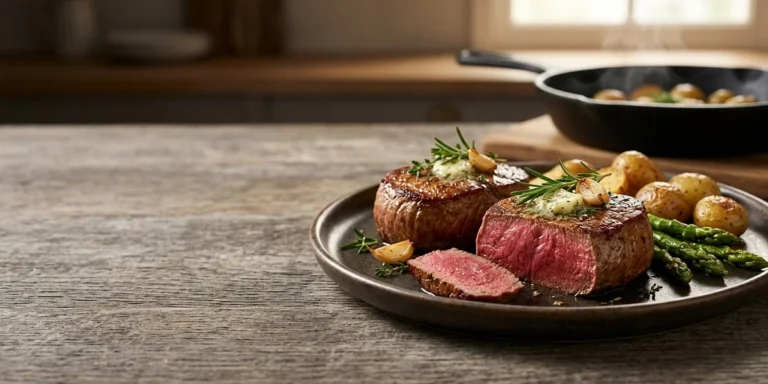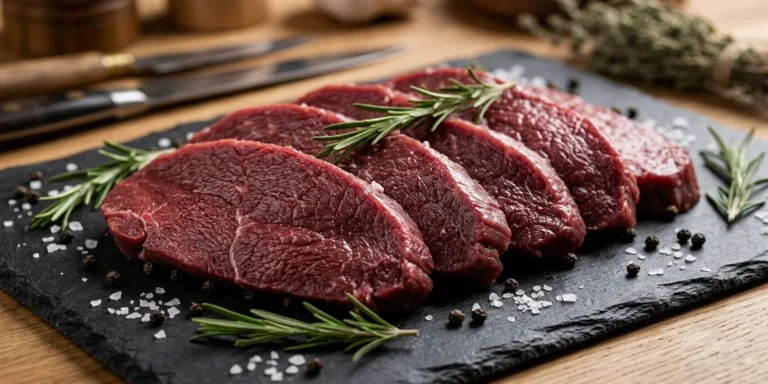
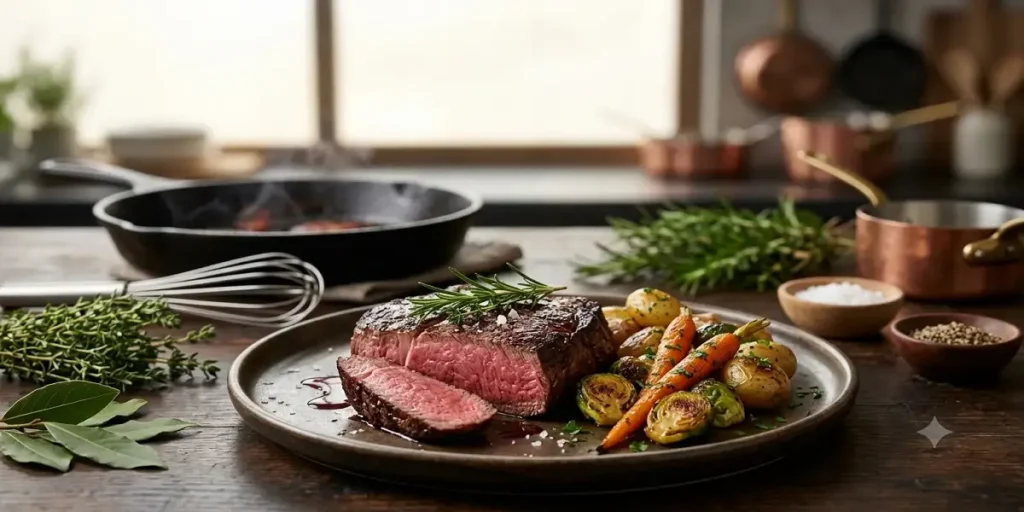
Quick Answer: The best way to cook ostrich meat is to treat it like beef, not chicken. Whole cuts such as steaks and fillets are best cooked over high heat and taken off the heat at an internal temperature of 125 to 130°F (52 to 54°C) for medium rare. Because ostrich is an extremely lean red meat, it can become dry and tough within minutes if overcooked. Larger roasts benefit from slower oven cooking, while ground ostrich should be cooked through to 160°F (71°C) for food safety.
Table of Contents
Introduction
Cooking ostrich meat is surprisingly simple once you understand one important fact: although ostriches are birds, their meat cooks like lean beef not poultry.
That misconception is responsible for most disappointing ostrich meals. Many first-time cooks instinctively treat it like chicken, leaving it on the heat until it reaches poultry-style temperatures. Unfortunately, because ostrich contains very little intramuscular fat, that approach almost always produces a dry, chewy steak instead of the tender, juicy result the meat is known for.
The good news is that ostrich is actually one of the easiest red meats to cook well. Whether you’re pan-searing a steak, grilling fillets, roasting a large cut, or slow-cooking the neck, success comes down to choosing the right cooking method and paying attention to internal temperature rather than cooking time alone.
In this guide, you’ll learn exactly how to cook ostrich meat, including recommended temperatures, cooking times, the best method for each cut, common mistakes to avoid, and the seasonings that complement its naturally rich flavor.
Before You Start: 5 Rules for Perfect Ostrich Meat
Before turning on the stove or grill, keep these five principles in mind. They matter far more than any specific recipe.
✅ Treat ostrich like beef, not chicken. Whole cuts are naturally tender and are best served medium rare rather than fully cooked through.
✅ Always use a meat thermometer. Color alone isn’t a reliable indicator of doneness, and ostrich can overcook surprisingly quickly.
✅ Cook over relatively high heat. Steaks and fillets develop the best crust when seared quickly instead of being cooked slowly.
✅ Let the meat rest before slicing. Five to ten minutes of resting allows the juices to redistribute throughout the meat instead of running onto the cutting board.
✅ Avoid overcooking at all costs. Because ostrich is extremely lean, even a few extra minutes on the heat can noticeably affect tenderness.
If you remember only one thing from this guide, make it this: temperature matters more than time.
Ostrich Meat Cooking Temperature Chart
| Cut | Best Cooking Method | Approximate Cooking Time | Target Internal Temperature | Best For |
|---|---|---|---|---|
| Steak or fillet | Pan-sear or grill | 3–6 min per side | 125–130°F (52–54°C) | Juicy medium-rare steaks |
| Steak or fillet (medium) | Pan-sear or grill | 4–7 min per side | 130–140°F (54–60°C) | Firmer texture |
| Fan, tip roast, or round | Oven roast | Sear first, then roast until target temperature | 125–130°F (52–54°C) | Family meals and carving |
| Ground ostrich (burgers, meatballs) | Pan or oven | 15–20 minutes | 160°F (71°C) | Burgers, meatballs, meatloaf |
| Neck meat | Braise or slow cooker | 1.5–3 hours | Cook until fork-tender | Stews, soups, shredded meat |
Tip: Cooking time is only a guideline. Thickness, starting temperature, and cooking equipment all affect how quickly ostrich cooks. For consistently tender results, rely on an instant-read thermometer rather than the clock.
Why Ostrich Cooks Differently Than Other Meats?
One reason ostrich confuses first-time cooks is that it comes from a bird but behaves almost nothing like chicken or turkey in the kitchen.
Although ostrich is poultry in the biological sense, its meat is a true red meat from a culinary perspective. It has a deep red color because it contains high levels of myoglobin, the same oxygen-carrying protein that gives beef and venison their characteristic appearance. Its texture, flavor, and cooking behavior are therefore much closer to lean beef than to white poultry meat.
The second major difference is its exceptionally low fat content. Ostrich contains very little intramuscular fat, which means there’s almost no marbling to protect the meat from drying out during cooking. While a well-marbled beef steak has more room for error, ostrich reaches its ideal doneness quickly and can become noticeably tougher if left on the heat for too long.
For that reason, most ostrich producers and experienced chefs recommend cooking whole cuts to medium rare (125–130°F / 52–54°C), then allowing the meat to rest before slicing. Ground ostrich is the exception, as it should be cooked to 160°F (71°C), just like other ground meats.
Once you understand these differences, cooking ostrich becomes much more predictable and easier.
Best Ways to Cook Ostrich Meat
There isn’t a single “best” way to cook ostrich meat. The ideal method depends on the cut you’re preparing. Steaks benefit from quick, high-heat cooking, while larger roasts require gentler oven roasting and tougher cuts become tender only through slow cooking.
After comparing guidance from ostrich farms, culinary professionals, and industry organizations, the OstrichPro team combined the most consistent recommendations into this practical cooking guide for every major cut of ostrich meat.
How to Pan-Sear Ostrich Steaks
Pan-searing is widely considered the best way to cook ostrich steaks and fillets. The intense heat quickly creates a flavorful crust while leaving the center tender and juicy. Since ostrich is extremely lean, this fast cooking method minimizes moisture loss and helps preserve its naturally rich flavor.
Step 1: Bring the Meat Closer to Room Temperature
Remove the steak from the refrigerator about 15 to 20 minutes before cooking. This helps the meat cook more evenly from edge to center. Avoid leaving ostrich meat out for extended periods. A short rest is enough.
Step 2: Pat the Surface Dry
Use paper towels to remove as much surface moisture as possible. A dry surface browns much more effectively, creating the flavorful crust that makes pan-seared steaks so appealing. Excess moisture causes the meat to steam instead of sear.
Step 3: Season Simply
Ostrich has a naturally clean, beef-like flavor that doesn’t require heavy seasoning.
A simple combination of:
- Salt
- Freshly ground black pepper
- A light coating of olive oil
is often all you need.
If you’re using a marinade, pat away any excess before placing the steak in the pan. Too much liquid prevents proper browning.
Step 4: Heat the Pan Properly
Choose a heavy skillet, preferably cast iron or stainless steel. Heat it over medium-high to high heat until it is thoroughly hot before adding the oil.
Once the oil begins to shimmer, place the steak in the pan. Avoid moving it immediately. Leaving the steak undisturbed allows a proper crust to develop.
Step 5: Sear Quickly
Cooking time depends on thickness, but these guidelines work well for most steaks.
| Steak Thickness | Approximate Time |
|---|---|
| ¾ inch (2 cm) | 3 to 4 minutes per side |
| 1 inch (2.5 cm) | 4 to 5 minutes per side |
| 1¼ inches (3 cm) | 5 to 6 minutes per side |
Rather than relying entirely on time, begin checking the internal temperature during the final minute of cooking.
Remove the steak when it reaches 125 to 130°F (52 to 54°C) for medium rare.
Step 6: Rest Before Slicing
Transfer the steak to a warm plate and let it rest for 5 minutes. During this time, the juices redistribute throughout the meat, making every slice noticeably more tender. The internal temperature will also rise a few degrees because of carryover cooking.
Resist the temptation to cut into the steak immediately. A few minutes of patience makes a surprising difference.
OstrichPro Tip: During the final minute of cooking, add a tablespoon of butter along with crushed garlic and fresh thyme or rosemary. Tilt the pan and continuously spoon the melted butter over the steak. This simple finishing technique adds richness without masking the natural flavor of the ostrich.
How to Grill Ostrich Meat
Grilling is another excellent choice for ostrich steaks, fillets, and kebabs. The high heat creates a lightly charred exterior while keeping the inside juicy, making it one of the most popular cooking methods on ostrich farms and game ranches.
The key is to think like you’re grilling a lean steak, not chicken breast.
Step 1: Preheat the Grill
Heat your grill to high heat, approximately 400 to 450°F (205 to 230°C). Clean and lightly oil the grates to prevent sticking.
Step 2: Prepare the Meat
Season simply or use your preferred marinade. If the meat has been marinated, gently pat away excess moisture before grilling so it develops better browning.
Step 3: Grill Over Direct Heat
Place the steaks directly over the hottest part of the grill.
Cook approximately:
- Thin steaks: 3 to 4 minutes per side
- Medium steaks: 4 to 5 minutes per side
- Thick steaks: 5 to 6 minutes per side
Turn only once whenever possible. Frequent flipping slows browning and prevents a good crust from forming.
Step4: Check Temperature, Not Color
Because ostrich is darker than beef, color alone can be misleading.
Instead, remove the meat when it reaches:
- 125 to 130°F (52 to 54°C) for medium rare
- 130 to 140°F (54 to 60°C) for medium
Allow the meat to rest for five minutes before serving.
Grilling Ostrich Kebabs
Ostrich also works exceptionally well for kebabs and shawarma-style skewers thanks to its lean texture and mild, beef-like flavor.
Cut the meat into evenly sized 1½-inch (4 cm) cubes so every piece cooks at the same rate. A simple marinade of olive oil, garlic, Worcestershire sauce, and spices helps keep the meat juicy during grilling.
Grill over medium-high heat for approximately 10 to 12 minutes, turning every few minutes until the cubes reach your desired internal temperature.
Alternating the meat with onions, peppers, or mushrooms adds flavor while helping the skewers cook more evenly.
While traditional shawarma is cooked on a vertical rotisserie and shaved into thin slices, the same seasoning profile works exceptionally well for ostrich cooked on skewers or quickly grilled strips.
How to Cook Ostrich Roasts in the Oven
Larger cuts such as the fan, tip roast, and inside round require a different approach than steaks. Instead of cooking quickly over intense heat, they benefit from a combination of an initial sear followed by gentle roasting.
This method develops a flavorful crust while allowing the interior to cook evenly.
Step 1: Season the Roast
Pat the roast dry and season generously with salt and pepper. Because ostrich is naturally lean, some cooks also wrap larger roasts with bacon or brush them lightly with olive oil to add moisture during cooking.
Step 2: Sear First
Brown the roast on all sides in a very hot skillet for about 1 to 2 minutes per side. This step isn’t required for food safety, but it greatly improves flavor and appearance.
Step 3: Roast Gently
Transfer the roast to a preheated oven at 325 to 350°F (160 to 175°C).
Roast until the center reaches 125 to 130°F (52 to 54°C). Because cooking time varies with the size and shape of the roast, always rely on a meat thermometer rather than a fixed number of minutes.
Step 4: Let It Rest
Cover loosely with foil and rest for 10 to 15 minutes before carving. Carryover cooking will raise the internal temperature slightly while the juices settle back into the meat.
Metric Cooking Guideline
Some European ostrich producers recommend roasting at approximately 150°C (300°F) for around 45 minutes per kilogram, followed by an additional 20 minutes, although using an internal thermometer remains the most reliable way to determine doneness.
How to Sous Vide Ostrich Meat
Sous vide is one of the easiest ways to achieve perfectly cooked ostrich every time. Because the water bath never exceeds your chosen temperature, it’s almost impossible to accidentally overcook the meat.
This method is especially useful for thick steaks and premium fillets.
Recommended Sous Vide Settings
| Doneness | Temperature | Time |
|---|---|---|
| Medium rare | 125°F (52°C) | 1½ to 2 hours |
| Medium | 131°F (55°C) | 1½ to 2 hours |
After cooking, remove the steak from the bag and pat it completely dry. Finish by searing each side in a smoking-hot skillet for 45 to 60 seconds to create a flavorful crust.
The result is an evenly cooked steak from edge to edge with exceptional tenderness.
Can You Cook Ostrich Meat in an Air Fryer?
Yes, although an air fryer isn’t the first choice for premium steaks.
It works best for:
- Burgers
- Meatballs
- Smaller steaks
- Marinated strips
Preheat the air fryer to 375°F (190°C) and cook until the desired internal temperature is reached, flipping halfway through.
As with every other cooking method, avoid relying solely on cooking time. Air fryer models vary considerably, so checking the internal temperature with an instant-read thermometer produces far more consistent results.
OstrichPro Tip: If you’re cooking an expensive ostrich steak for the first time, a cast iron skillet or grill will usually produce a better crust and more even results than an air fryer.
How to Cook Different Cuts of Ostrich Meat
Every cut of ostrich meat benefits from a slightly different cooking approach. While premium steaks are best cooked quickly over high heat, tougher cuts become tender only after slow cooking. Ground ostrich also follows different food safety guidelines than whole cuts.
Choosing the right cooking method for each cut makes the difference between a juicy, flavorful meal and one that’s dry or tough.
Below are the most common ostrich cuts and the best way to cook each one.
How to Cook Ground Ostrich Meat
Ground ostrich is one of the most versatile ways to enjoy ostrich meat. You can use it almost anywhere you would normally use lean ground beef, including burgers, tacos, pasta sauces, chili, and meatloaf.
Because grinding distributes bacteria throughout the meat, ground ostrich should always be cooked thoroughly, unlike whole steaks or fillets.
For the best texture:
- Cook to an internal temperature of 160°F (71°C).
- Avoid excessive heat, which can dry out the meat.
- Consider adding a small amount of olive oil, butter, or another source of fat to improve juiciness.
Although ostrich is naturally lean, properly cooked ground meat should still remain moist rather than crumbly.
How to Cook Ostrich Burgers
Ostrich makes excellent burgers because its rich flavor closely resembles beef while containing far less fat.
Since lean burgers can dry out quickly, avoid pressing them with a spatula while cooking. This forces valuable juices out of the meat.
For the best results:
- Preheat a skillet or grill over medium-high heat.
- Cook for about 3 to 4 minutes per side, depending on thickness.
- Brush lightly with butter or oil during cooking if desired.
- Cook to 160°F (71°C) since burgers are made from ground meat.
Allow the burgers to rest for several minutes before serving.
How to Cook Ostrich Meatballs
Ostrich meatballs cook very much like beef meatballs but benefit from a little extra moisture in the mixture. Adding ingredients such as breadcrumbs, egg, grated onion, or a splash of milk helps keep the meatballs tender.
Bake at 350°F (175°C) for approximately 15 to 20 minutes, or brown them in a skillet before finishing in your favorite tomato or cream sauce.
Simmering the meatballs in sauce after browning helps prevent the lean meat from drying out.
How to Cook Ostrich Neck Meat
Neck meat is one of the toughest cuts on an ostrich, but it also becomes one of the most flavorful when cooked correctly.
Unlike steaks, neck meat contains more connective tissue and collagen, making it ideal for slow cooking rather than quick searing.
For the best results:
- Brown the neck pieces in a hot pan.
- Add stock, onions, carrots, celery, and herbs.
- Cover and cook gently for 1½ to 3 hours, depending on the method.
- Cook until the meat pulls easily from the bone with a fork.
Slow-cooked ostrich neck is excellent in soups, stews, tacos, pasta fillings, and shredded meat dishes.
The bones also produce a rich, flavorful stock.
How to Cook Large Ostrich Roasts
Large muscles such as the fan, inside round, and tip roast are often prepared for family dinners or special occasions.
Unlike smaller steaks, these cuts require more gentle cooking to maintain an even level of doneness throughout the roast.
For the best results:
- Sear first to develop color.
- Roast at 325 to 350°F (160 to 175°C).
- Remove the roast at 125 to 130°F (52 to 54°C) for medium rare.
- Rest for 10 to 15 minutes before slicing.
Always carve across the grain to maximize tenderness.
Which Ostrich Cut Is Best for Each Cooking Method?
Choosing the right cooking technique is just as important as choosing the right cut.
| Ostrich Cut | Best Cooking Method | Difficulty | Ideal Result |
|---|---|---|---|
| Steak | Pan-sear | Easy | Crisp crust, juicy center |
| Fillet | Grill or pan-sear | Easy | Tender and flavorful |
| Fan roast | Oven roast | Moderate | Evenly cooked slices |
| Inside round | Oven roast | Moderate | Lean carved roast |
| Ground meat | Skillet or oven | Easy | Burgers, meatballs, sauces |
| Neck | Slow cooker or braise | Easy | Fall-apart tender meat |
For first-time cooks, steaks and burgers are the easiest cuts to master. Once you’re comfortable monitoring internal temperature, you can move on to larger roasts or slow-cooked cuts.
Avoid These Common Ostrich Cooking Mistakes
Cooking ostrich meat isn’t difficult, but it is less forgiving than beef because of its extremely low fat content. Most disappointing results happen for the same handful of reasons, and nearly all of them are easy to avoid once you know what to look for.
If your ostrich steak turned out dry, chewy, or lacking flavor, one of the following mistakes is usually the reason.
Treating Ostrich Like Chicken
The biggest mistake people make is assuming ostrich should be cooked like other poultry.
Although ostriches are birds, their meat behaves much more like lean beef than chicken or turkey. Cooking a premium ostrich steak to poultry temperatures removes the tenderness and juiciness that make it unique.
For whole cuts such as steaks and fillets, aim for an internal temperature of 125 to 130°F (52 to 54°C) unless you prefer a more cooked finish.
Ground ostrich is the exception and should always be cooked thoroughly because, like any ground meat, bacteria can be distributed throughout the product.
Cooking by Time Instead of Temperature
Cooking times are helpful guidelines, but they should never be treated as guarantees.
The thickness of the cut, its starting temperature, your cookware, and even your stove or grill can all change how quickly ostrich cooks.
A steak that reaches medium rare in four minutes on one grill may need six minutes on another.
An instant-read thermometer removes the guesswork and is the simplest way to avoid overcooking an expensive cut.
Skipping the Resting Period
Cutting into ostrich immediately after cooking is one of the fastest ways to lose moisture.
As the meat cooks, its juices move toward the center. Resting for 5 to 10 minutes allows those juices to redistribute throughout the steak instead of running onto the cutting board.
The result is noticeably juicier meat and a more even texture.
This short resting period also allows carryover cooking to finish naturally without exposing the meat to additional direct heat.
Using Too Much Heat for Too Long
High heat is excellent for developing a flavorful crust.
Leaving the meat over that heat for too long is not.
Because ostrich contains very little intramuscular fat, there is almost no margin for error once the internal temperature climbs beyond medium. Every additional minute over the heat removes moisture and firms the muscle fibers, making the steak progressively tougher.
The goal is simple:
High heat. Short cooking time. Accurate internal temperature.
How to Tell When Ostrich Meat Is Done
A meat thermometer is always the most reliable way to judge doneness, but there are also visual and textural clues that can help, especially if you’re cooking outdoors or don’t have a thermometer within reach.
| Doneness | Internal Temperature | Center | Texture |
|---|---|---|---|
| Medium rare | 125 to 130°F (52 to 54°C) | Warm red center | Soft and juicy |
| Medium | 130 to 140°F (54 to 60°C) | Warm pink center | Slightly firmer |
| Well done | Above 145°F (63°C) | Mostly gray | Firm and noticeably drier |
Remember that ostrich is naturally darker than beef, so color alone can sometimes be misleading.
When in doubt, trust the thermometer rather than appearance.
Why Ostrich Overcooks So Quickly?
Many first-time cooks are surprised by how quickly ostrich changes from perfectly cooked to dry and chewy.
The reason is simple: fat protects meat during cooking, and ostrich has very little of it.
Unlike heavily marbled beef, ostrich contains very little intramuscular fat to slow moisture loss as the temperature rises. Once the muscle fibers tighten, moisture escapes rapidly, leaving the meat firmer and less juicy.
This is also why experienced cooks recommend removing steaks from the heat slightly before they reach their final serving temperature. During the resting period, carryover cooking continues raising the internal temperature by a few degrees without exposing the meat to additional direct heat.
Understanding this characteristic makes cooking ostrich much more predictable and helps explain why accurate temperature control matters far more than simply following a timer.
The 125°F vs. 160°F Myth for Ostrich Meat Cooking
One of the biggest sources of confusion surrounding ostrich meat is the recommended cooking temperature.
Some older recipes and retail guides suggest cooking all ostrich meat to 150 to 160°F (66 to 71°C) simply because it comes from a bird. Modern culinary guidance takes a more nuanced approach.
Whole cuts such as steaks, fillets, and roasts are widely cooked like lean beef and are commonly served medium rare at 125 to 130°F (52 to 54°C). This preserves tenderness and moisture while highlighting the meat’s natural flavor.
Ground ostrich is different.
Because grinding distributes any surface bacteria throughout the meat, burgers, meatballs, and other ground preparations should be cooked to 160°F (71°C), following the same food safety principles used for other ground meats.
Understanding the difference between whole cuts and ground meat eliminates much of the conflicting advice you’ll find online.
Seasoning, Marinades & Serving Ideas for Ostrich Meat
Ostrich has a mild, clean flavor that is often compared to lean beef. Because it isn’t strongly gamey, it works well with both simple seasonings and more complex marinades, depending on the style of dish you’re preparing.
The goal is usually to complement the meat rather than overpower it. Unlike heavily marbled beef, ostrich doesn’t need aggressive seasoning to shine.
Best Seasonings for Ostrich Meat
Simple seasoning is often the best choice, especially for premium steaks and fillets.
Classic combinations include:
- Kosher salt
- Freshly ground black pepper
- Garlic powder
- Onion powder
- Smoked paprika
- Fresh rosemary
- Fresh thyme
These ingredients enhance the meat’s natural flavor without masking it.
Ostrich also pairs surprisingly well with warm spices such as cumin, coriander, and a small amount of chili powder, particularly in burgers, kebabs, or slow-cooked dishes.
Its mild, beef-like flavor makes it remarkably versatile in both traditional and modern recipes.
Should You Marinate Ostrich Meat?
Marinating isn’t always necessary.
Tender cuts such as steaks and fillets already have a naturally soft texture, so a simple seasoning is often enough.
However, a light marinade can add flavor while helping the surface stay moist during cooking.
A balanced marinade typically includes:
- Olive oil
- Worcestershire sauce
- Garlic
- Black pepper
- Fresh herbs
- A small amount of acid such as lemon juice or balsamic vinegar
For most steaks, 1 to 2 hours of marinating is sufficient.
Avoid leaving the meat in highly acidic marinades overnight, as they can begin to affect the texture of this naturally lean meat.
Best Sauces for Ostrich Steak
Because ostrich resembles lean beef more than game meat, many classic steak sauces pair beautifully with it.
Popular choices include:
- Mushroom cream sauce
- Red wine reduction
- Garlic herb butter
- Peppercorn sauce
- Chimichurri
- Béarnaise sauce
For a lighter option, a squeeze of fresh lemon or a simple herb butter is often enough to enhance the meat without overpowering it.
Best Side Dishes to Serve with Ostrich
Since ostrich is lean and richly flavored, it pairs well with sides that add either freshness or a touch of richness.
Excellent choices include:
- Roasted asparagus
- Grilled zucchini
- Garlic mashed potatoes
- Sweet potato mash
- Roasted root vegetables
- Wild rice
- Mixed green salad
- Grilled mushrooms
A full-bodied red wine or sparkling water with citrus also complements the meal well without overwhelming the flavor.
Which Cooking Method Is Best for Ostrich Meat?
There isn’t one perfect cooking method for every cut of ostrich meat.
The best choice depends on what you’re preparing.
| If You’re Cooking… | Best Method | Why It Works |
|---|---|---|
| Premium steak | Pan-sear | Excellent crust and juicy center |
| Fillet | Grill | Light smoky flavor with quick cooking |
| Large roast | Oven | Even cooking throughout |
| Ground meat | Skillet or oven | Fast and versatile |
| Neck | Slow cooker or braise | Breaks down connective tissue |
| Thick steak | Sous vide + quick sear | Maximum precision and tenderness |
If you’re cooking ostrich for the first time, a pan-seared steak is usually the easiest place to start. It cooks quickly, requires very little equipment, and showcases the meat’s natural flavor better than almost any other method.
Ostrich Cooking Cheat Sheet
| Remember This | Recommendation |
|---|---|
| Treat ostrich like | Lean beef |
| Best steak temperature | 125-130°F (52-54°C) |
| Ground meat | 160°F (71°C) |
| Always use | Meat thermometer |
| Rest after cooking | 5-10 minutes |
| Biggest mistake | Overcooking |
Frequently Asked Questions
How is ostrich meat best cooked?
Ostrich is best cooked like lean beef rather than poultry. Premium cuts such as steaks and fillets develop the best flavor and texture when cooked quickly over high heat to an internal temperature of 125 to 130°F (52 to 54°C) for medium rare. Larger roasts benefit from gentle oven roasting, while tougher cuts such as the neck become tender through slow cooking.
How long does ostrich take to cook?
Cooking time depends on the cut and the cooking method. Steaks typically take 3 to 6 minutes per side, while burgers and meatballs usually cook in 15 to 20 minutes. Larger roasts may require 45 minutes or longer, and neck meat generally needs 1½ to 3 hours of slow cooking. Always use a meat thermometer rather than relying on time alone.
Can you eat ostrich meat pink?
Yes. Whole cuts such as steaks, fillets, and roasts are commonly served medium rare, with an internal temperature of 125 to 130°F (52 to 54°C). Because ostrich is a lean red meat, serving it slightly pink helps preserve its tenderness and juiciness.
Ground ostrich is different and should always be cooked to 160°F (71°C).
What spices go well with ostrich?
Simple seasonings such as salt, black pepper, garlic, rosemary, and thyme allow the meat’s natural flavor to stand out. Ostrich also pairs well with paprika, cumin, coriander, and light chili seasoning, particularly in burgers, kebabs, and slow-cooked dishes.
What is a good marinade for ostrich steak?
A balanced marinade made with olive oil, Worcestershire sauce, garlic, fresh herbs, black pepper, and a small amount of lemon juice or balsamic vinegar adds flavor without overpowering the meat. For most steaks, marinating for 1 to 2 hours is sufficient.
What sauce goes well with ostrich steak?
Classic steak sauces complement ostrich exceptionally well. Popular options include mushroom sauce, peppercorn sauce, garlic herb butter, red wine reduction, chimichurri, and Béarnaise sauce. Because ostrich has a naturally mild flavor, even simple butter-based sauces work beautifully.
What vegetables go well with ostrich steak?
Roasted asparagus, grilled zucchini, mushrooms, garlic mashed potatoes, roasted root vegetables, sweet potatoes, and fresh green salads all pair well with ostrich steak. Choosing sides that add freshness or a little richness creates a balanced meal without overwhelming the meat.
Can you cook frozen ostrich meat?
Yes, but thawing it in the refrigerator before cooking is strongly recommended. Proper thawing helps the meat cook more evenly, develop a better crust, and retain more moisture. If you must cook ostrich from frozen, expect a longer cooking time and monitor the internal temperature carefully with a meat thermometer.
Cooking ostrich meat is much less complicated than many people expect. The key is remembering that it behaves like a lean red meat rather than traditional poultry.
Once you focus on internal temperature instead of cooking time, avoid overcooking, and choose the right method for each cut, ostrich becomes one of the easiest and most rewarding meats to prepare.
Whether you’re grilling a steak, roasting a family-sized cut, making burgers, or slow-cooking the neck, the same principle always applies: cook gently, monitor the temperature, and let the meat rest before serving.
Master those basics, and you’ll get tender, flavorful ostrich every time.