
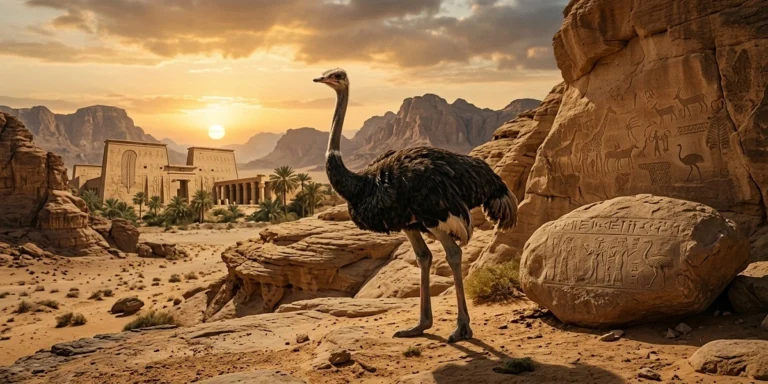
Ostrich Symbolism: Meanings, Myths & Cultural History Across Cultures
The ostrich has been part of human culture for thousands of years. Long before people raised ostriches for meat, eggs, feathers, or leather, the…
Read articleYour next good read starts here.
The ostrich has been part of human culture for thousands of years. Long before people raised ostriches for meat, eggs, feathers, or leather, the…
Read article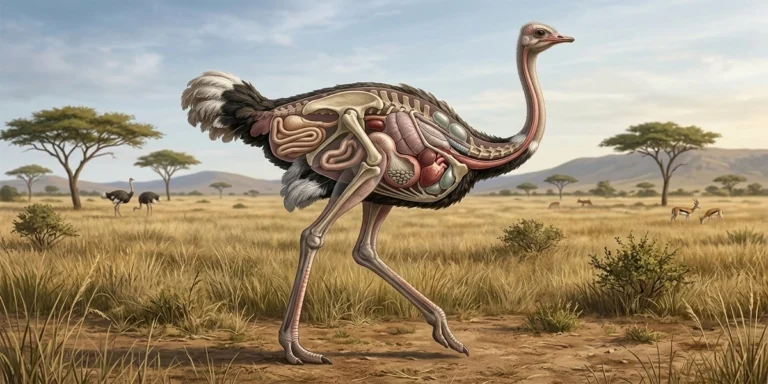
Quick Answer: Ostrich anatomy is highly specialized for life as a large, flightless, fast-running bird. Its skeleton includes a broad, keelless sternum, powerful pelvic…
Read article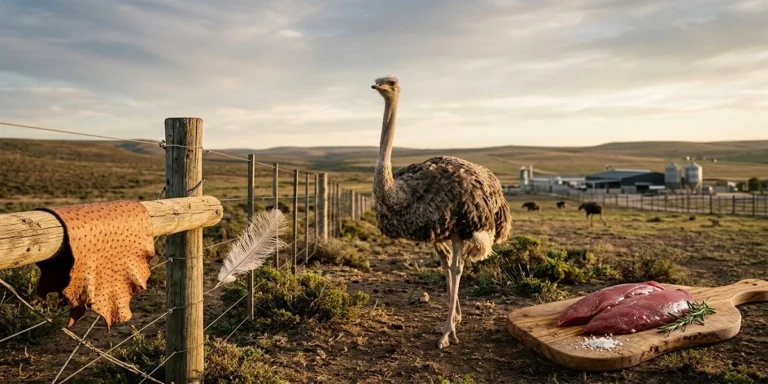
Quick Answer: The modern ostrich industry is a diversified agricultural business built primarily around three products: meat, leather, and feathers. South Africa remains the…
Read article
Quick Answer: Common ostrich diseases and health problems include Newcastle disease, avian influenza, avian pox, hemorrhagic enteritis, parasitic infections such as wireworm and ticks,…
Read article
Quick Answer: To start an ostrich farm, first decide what you want to produce and who you plan to sell to. Then check your…
Read article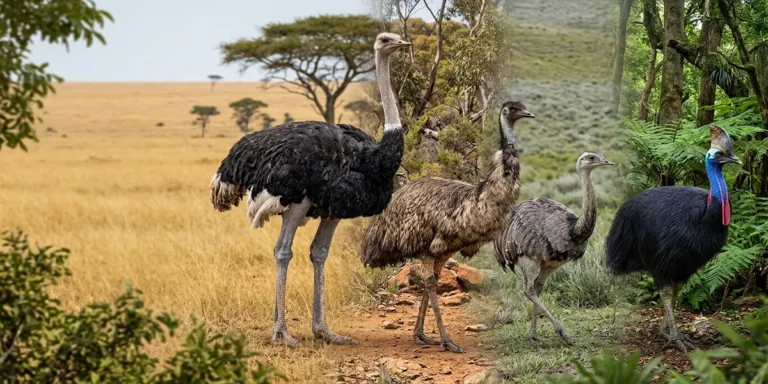
Quick Answer: Ostriches, emus, rheas, and cassowaries are all large flightless birds known as ratites, but they differ significantly in size, habitat, behavior, and…
Read article
Quick Answer: The best way to cook ostrich meat is to treat it like beef, not chicken. Whole cuts such as steaks and fillets…
Read article
Quick Answer: Ostrich egg tastes remarkably similar to a chicken egg, but with a richer, butterier flavor and a noticeably denser texture. Most people…
Read article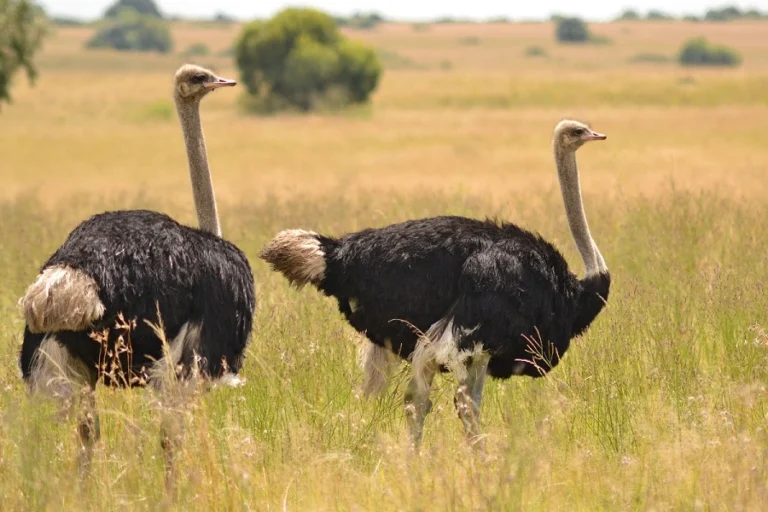
Quick Answer: The answer depends on what you mean by “largest.” The common ostrich is the largest living bird, typically standing 2.1 to 2.7…
Read article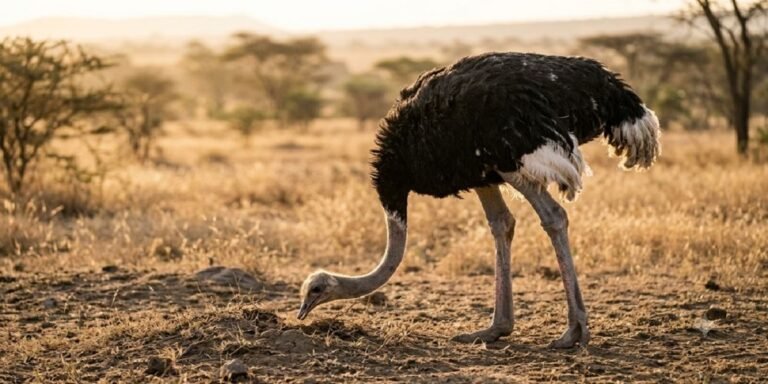
Quick Answer: No. Ostriches do not bury their heads in the sand, even when frightened. The myth most likely comes from three ordinary behaviors:…
Read article